Emergency Preparedness
- sales188725
- May 23
- 4 min read
Emergency Preparedness: Essential Items Reviewed
When disaster strikes, the gear you have on hand can make a real difference. This guide covers the top-rated items in each category, along with a checklist to make sure you're ready for any situation.
Lighting
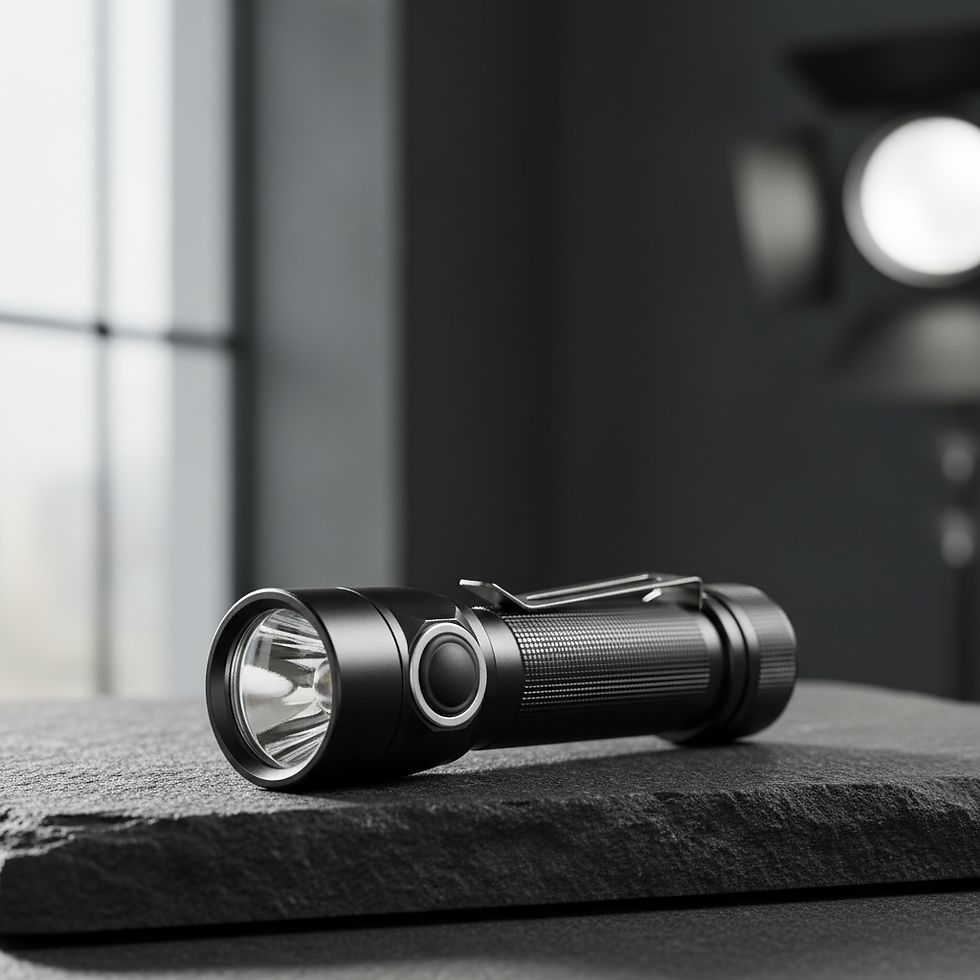
ThruNite Archer 2A V3
Best Overall Flashlight
Runs on either a rechargeable Li-ion battery or standard AA batteries, which matters when you can't predict how long an outage will last. The moonlight mode is ideal for reading maps at night, and the strobe works as a distress signal.
Dual-fuel: Li-ion + AA batteries
Moonlight mode for low-light tasks
Built-in strobe for signaling
Compact and durable build
⭐⭐⭐⭐⭐ Editor's Pick

Olight Seeker 4 Pro
Best High-Performance Pick
At 4,600 lumens, this is one of the most powerful handheld flashlights available. It runs for up to 15 days on low settings and is IPX8 waterproof. The magnetic holster doubles as a charger, which is a smart design touch for emergencies.
4,600 lumens max output
15-day runtime on low mode
IPX8 waterproof rating
Magnetic charger built into holster
⭐⭐⭐⭐⭐ Best for Serious Preppers
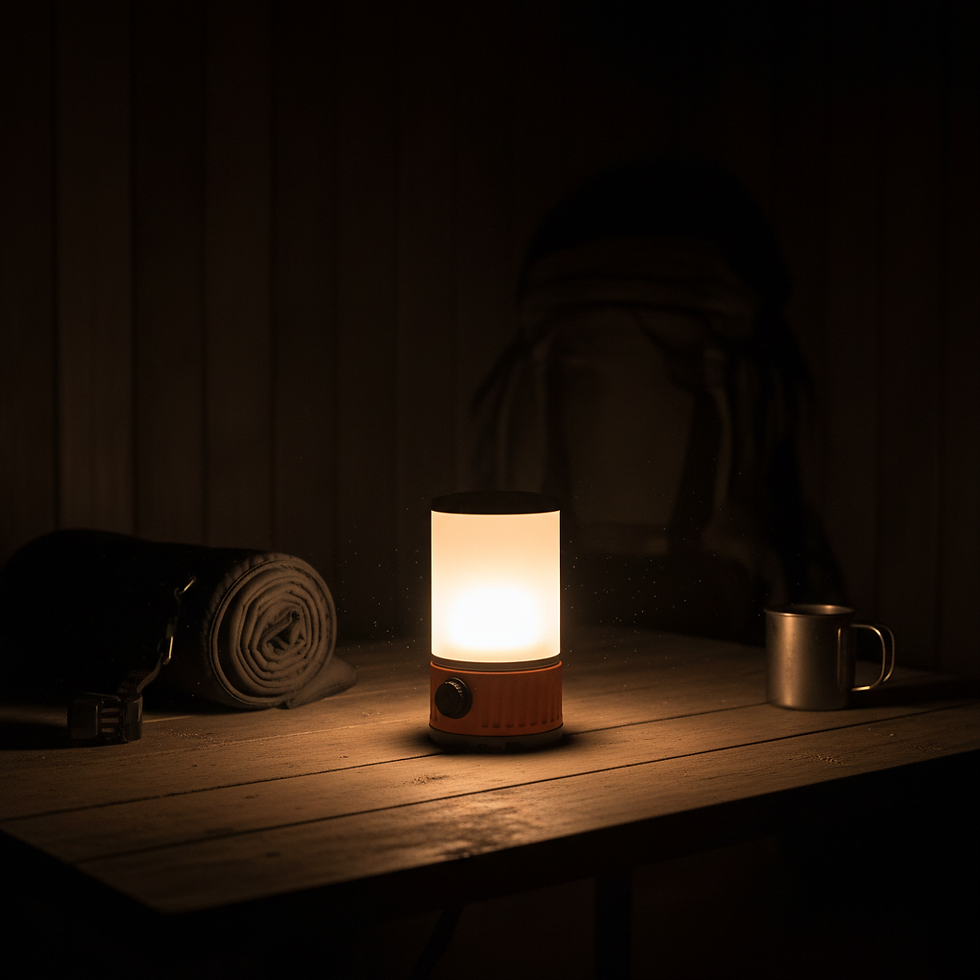
Sofirn BLF LT1
Best Emergency Lantern
Designed for groups and households rather than single-person use. It runs on four 18650 batteries but still works if only one is available. The USB-C port lets it double as a power bank for charging phones.
Four 18650 batteries (single-cell capable)
USB-C charging and power bank output
360-degree ambient light spread
Ideal for household power outages
⭐⭐⭐⭐⭐ Best for Families
Road Flares & Signaling
Traditional pyrotechnic flares are still effective but come with real risks: they start fires, they're single-use, and they can injure untrained users. LED flares are now the preferred choice for roadside emergencies and are DOT-compliant in most states.

Marcala LED Road Flares
Best Overall LED Flare
DOT-compliant and visible up to 1 mile away. Nine flashing modes let you customize the signal pattern based on conditions. Crushproof up to 1,000 lbs, so a vehicle rolling over it won't end its usefulness.
Visible up to 1 mile
9 flashing modes
Crushproof and fully waterproof
DOT-compliant
⭐⭐⭐⭐⭐ Best Overall

Orion Safety Flares
Best Pyrotechnic Option
The industry standard for high-visibility situations. Studies show pyrotechnic flares reduce oncoming traffic speed by about 16%, making them especially useful on fast roads or in thick fog where LED light can scatter. Available in 15, 20, and 30-minute burn times.
Extremely high visibility in fog and rain
Produces real flame and smoke to slow traffic
Preferred by law enforcement
Available in multiple burn durations
⭐⭐⭐⭐ Best for High-Traffic Roads
A Note on Candles
FEMA and the American Red Cross advise against relying on candles during emergencies. Open flames significantly increase fire risk when people are already under stress and may be dealing with gas leaks or structural damage. Battery-powered LED lanterns provide the same warm ambient light without the danger. If you do keep candles, use thick pillar candles in stable holders and never leave them unattended.
Emergency Preparedness Checklist
Use this checklist to audit your home kit. Aim for at minimum a 72-hour supply, with a 2-week supply for extended situations.
Lighting & Signaling
Dual-fuel flashlight (e.g., ThruNite Archer 2A V3) with spare batteries
Battery-powered LED lantern for group or room lighting
LED road flares (minimum 3-pack, DOT-compliant)
Emergency whistle for non-electronic signaling
Glow sticks as a backup (10-year shelf life)
Water & Food
1 gallon of water per person, per day (minimum 3-day supply)
Non-perishable, high-calorie food (canned meats, peanut butter, ration bars)
Manual can opener
Water purification tablets or portable filter
First Aid & Medical
Standard first aid kit (bandages, antiseptic wipes, gauze, medical tape)
Trauma supplies: tourniquet, Israeli bandage, trauma shears
7-day supply of prescription medications with copies of prescriptions
Nitrile gloves and CPR face shield
Pain relievers, antidiarrheal, and allergy medication
Communication & Power
NOAA weather radio (hand-crank or battery-powered)
Portable power bank (minimum 20,000 mAh) or solar charger
Extra batteries in sizes AA, AAA, and CR123A
Fully charged backup phone or list of emergency contacts printed on paper
Tools & Safety
Multi-tool or Swiss Army knife
Duct tape and heavy-duty garbage bags
N95 dust masks (at least 2 per person)
Seatbelt cutter and window breaker for vehicle emergencies
Work gloves and sturdy closed-toe shoes near your bed
Thermal emergency blankets (one per person)
Documents & Cash
Waterproof container holding copies of IDs, insurance cards, and medical records
$200 to $500 in small bills ($1, $5, $10 denominations)
Written list of emergency contacts (phone, utility companies, doctors)
USB drive with digital copies of critical documents
Sanitation
Moist towelettes and hand sanitizer
Toilet paper and personal hygiene items
Portable toilet or sanitation bags for extended outages
Review your kit every 6 months. Replace expired medications, rotate food and water stock, and recharge power banks. The best emergency kit is one you maintain, not one you set up once and forget.
This content is for informational purposes only. Always follow official guidance from FEMA, the Red Cross, and local emergency management authorities for your specific region and situation.



Comments